



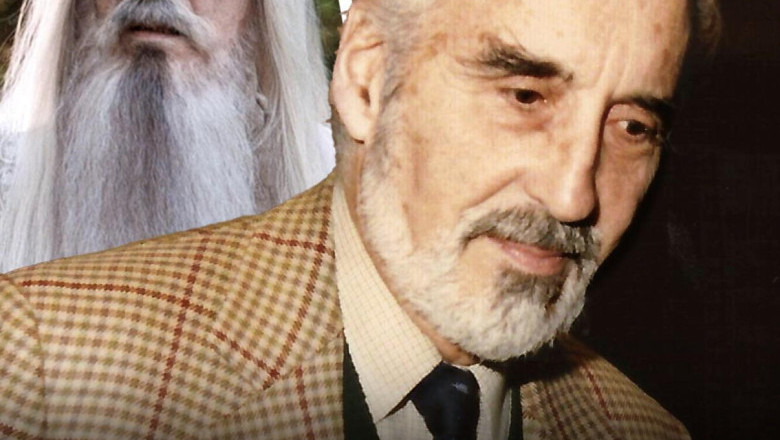


A Legend Across Worlds: Remembering Christopher Lee
Few actors have ever carried myth as effortlessly as Christopher Lee. Fewer still managed to become iconic in multiple fictional universes without diminishing any of them. When fans say he was one of the most powerful Sith Lords, one of the most powerful Wizards, and one of the most powerful actors, it sounds like hyperbole, until you examine the record.
It holds up.
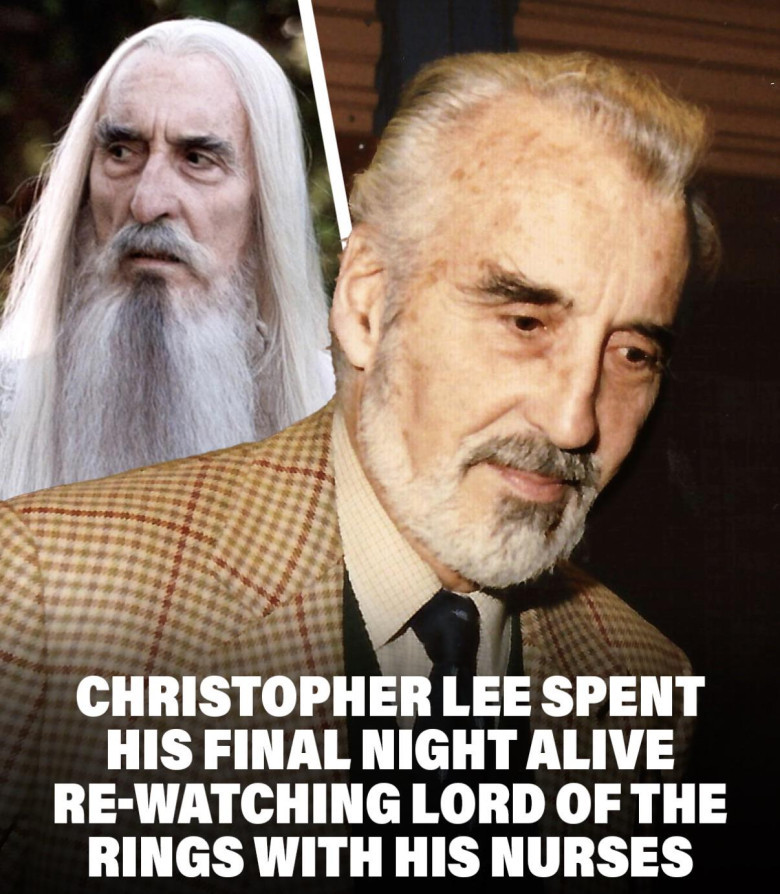
The Wizard: Saruman the White
When Saruman appears in The Lord of the Rings, he does not need spectacle to dominate the screen. Lee’s Saruman is frightening precisely because he is restrained. His voice carries authority that feels ancient, deliberate, and inevitable.
What makes this performance remarkable is that Lee was not simply acting within Tolkien’s world—he was deeply familiar with it. He had read The Lord of the Rings annually since childhood and was the only member of the cast to have personally met Tolkien. That depth shows. Saruman is not a caricature of evil; he is a fallen intellect, a corrupted idealist. Lee understood that power lies in conviction, not volume.
The Sith Lord: Count Dooku
In Star Wars, Lee became Count Dooku, a Sith Lord who felt fundamentally different from the rage-driven villains around him. Dooku is aristocratic, controlled, and philosophical—a Sith who believes he is right.
That distinction mattered. Lee brought a sense of tragic nobility to Dooku, elevating the character beyond a typical antagonist. His fencing background, commanding posture, and vocal precision gave Dooku credibility as both a political idealist and a deadly force. It is no accident that he remains one of the most respected characters of the prequel era.
The Actor: Power Without Excess
What unites these roles is not genre, costume, or lore, it is authority. Lee did not beg for attention. He commanded it. His power came from stillness, diction, and an almost old-world seriousness that modern cinema rarely produces.
Off-screen, his life was as extraordinary as his roles: wartime intelligence work, mastery of multiple languages, classical training, heavy metal albums released in his 90s. None of it felt performative. It simply felt like the natural extension of a man who refused to be ordinary.
A Final Night Worth Believing


























Comments
0 comment